Amazonian mushroom insights based on the latest scientific paper trail in 2026
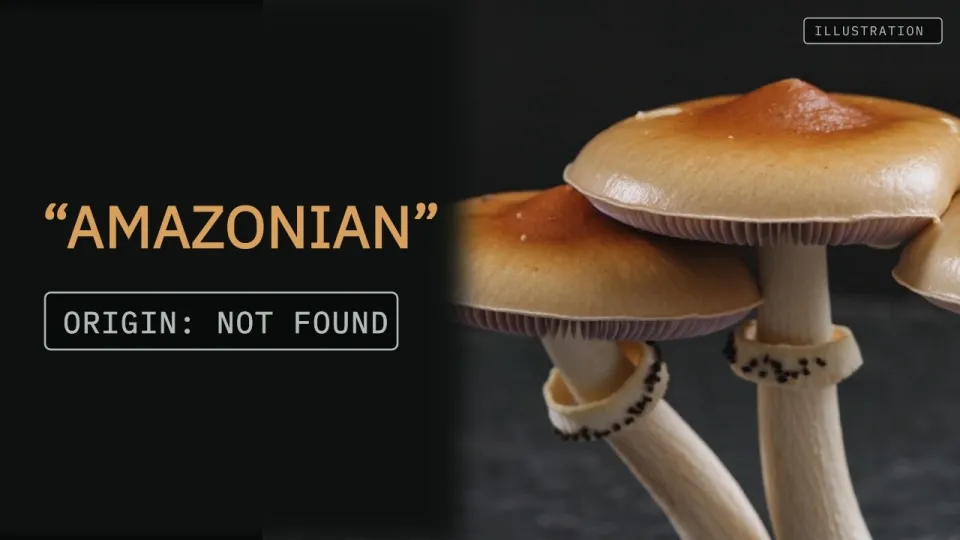
Video: Amazonian Mushroom: Following the Paper Trail Behind the Name
· based on the channel Shroomverse
The Amazonian mushroom has gained attention both in scientific circles and popular culture, but its name and classification come from a complex paper trail spanning decades of research. The term "Amazonian mushroom" does not refer to a single species but rather to a group of fungi native to the Amazon rainforest region, documented in various scientific papers that trace their discovery, classification, and ethnomycological significance.
Origins of the Amazonian Mushroom Name
The name "Amazonian mushroom" first appeared in early ethnomycological studies exploring the indigenous use of psychoactive fungi in the Amazon basin. Initial taxonomic descriptions were scattered, with species being identified under different genera such as Psilocybe and Gymnopilus, reflecting the complex biodiversity of the region. The exact paper trail includes scientific articles from the late 20th century and earlier field reports that recorded the traditional knowledge and botanical characteristics of these mushrooms 02:15.
Taxonomic Clarifications and Species Diversity
Scientific research reveals that the Amazonian mushroom label encompasses multiple species, each with distinct morphological and genetic profiles. Researchers have had to revisit earlier classifications as DNA sequencing became available, clarifying which species are truly endemic to the Amazon. This has led to taxonomic revisions and debates about synonymy and nomenclature, documented in journals and mycological reviews from the 1990s to recent studies 05:40.
Ecological and Ethnomycological Significance
The Amazonian mushroom plays an important role in both the ecosystem and indigenous cultures. Ecologically, these fungi contribute to nutrient cycling in the rainforest soil. Ethnomycologically, they have been used in ritualistic and medicinal contexts among Amazonian tribes, with detailed ethnographic studies highlighting their preparation and ceremonial uses. These cultural insights are often cited alongside botanical data in the scientific literature 09:10.
Challenges in Following the Paper Trail
Tracking the paper trail behind the Amazonian mushroom name is complicated by inconsistent naming conventions, scarce early documentation, and language barriers in the original field reports. Many early studies were published in less accessible regional journals or in languages other than English. Modern researchers rely on digitized archives and cross-referencing multiple sources to piece together the mushroom’s historical and scientific context 12:35.
Current Research and Future Directions
Ongoing research focuses on DNA barcoding, chemical analysis of active compounds, and conservation status assessments of Amazonian mushroom species. The paper trail continues as new findings emerge from fieldwork and laboratory studies, helping to clarify the taxonomy and biogeography of these fungi. The Shroomverse channel’s detailed analysis synthesizes this complex history and research, providing a clear overview of what the Amazonian mushroom name represents in 2026 15:00.
Summary
The Amazonian mushroom is not a single species but a collective term grounded in a rich scientific and cultural paper trail. Its name reflects decades of ethnomycological and taxonomic research, ecological importance, and indigenous knowledge from the Amazon rainforest. Following the documented studies reveals the complexity behind naming and classification, underscoring the mushroom’s significance in science and culture alike. The Shroomverse channel offers a valuable resource for understanding these intricate connections and ongoing discoveries.
Key takeaways
- Amazonian mushroom name origins traced through historical scientific literature
- Multiple species linked to the Amazonian mushroom term
- Research highlights ecological and ethnomycological data from Amazon rainforest
- Scientific papers reveal taxonomic clarifications and naming controversies
- Shroomverse video unpacks the detailed documentation behind the Amazonian mushroom name
Questions & answers
What exactly is the Amazonian mushroom?
The Amazonian mushroom refers to a group of fungi native to the Amazon rainforest, historically documented in scientific and ethnomycological studies rather than a single species.
Why is the name Amazonian mushroom complicated to trace?
Because the name covers multiple species, was recorded under different genera, and early documentation was scattered and in multiple languages, making the research paper trail complex.
What role do Amazonian mushrooms play in indigenous cultures?
They have significant ritualistic and medicinal uses among Amazonian tribes, as documented in ethnographic studies alongside botanical research.
How has modern science clarified the taxonomy of Amazonian mushrooms?
Through DNA sequencing and chemical analysis, researchers have revised classifications and clarified which species are truly endemic to the Amazon rainforest.
Source: Amazonian Mushroom: Following the Paper Trail Behind the Name · Markdown version